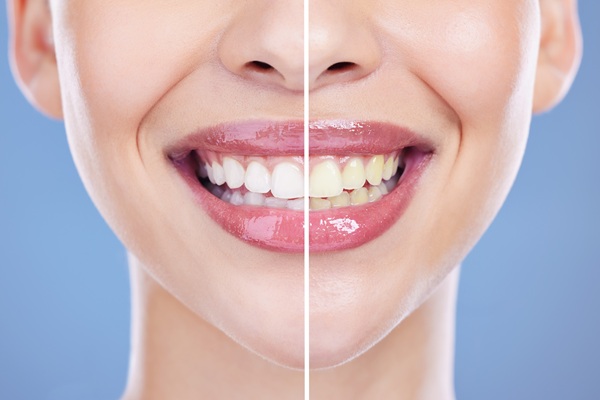
Teeth whitening can be a possible treatment option for patients with sensitive teeth, but a general dentist should first evaluate the cause of the sensitivity. Some patients feel a quick zing when they drink something cold, while others notice lingering discomfort during brushing or chewing. That difference matters because tooth sensitivity can come from several issues, and not all of them should be treated with whitening right away.
What causes sensitivity
Sensitive teeth often react when enamel wears down or gums recede, exposing more of the tooth surface. Enamel is the hard outer layer of the tooth, and it helps protect the inner area where nerves respond to heat, cold, and pressure. Patients may also develop sensitivity from cavities, cracked teeth, worn fillings, or teeth grinding. In those cases, a general dentist usually addresses the underlying problem before starting teeth whitening.
That first exam helps prevent added irritation. Whitening products use active ingredients that break up stains, but they can also increase sensitivity for a short time. If the tooth already has a cavity or a crack, the whitening process may feel more uncomfortable than expected. A dental exam allows the dentist to decide whether teeth whitening makes sense now or if another treatment should come first.
When whitening may still work
Many patients with mild sensitivity can still move forward with teeth whitening. The key is choosing the right approach and adjusting the process to the patient’s needs. A general dentist may suggest a lower-strength whitening product, shorter treatment sessions, or a gradual schedule that gives teeth more time to recover between applications.
Professional supervision can also help. Instead of using strong over-the-counter products without guidance, patients with sensitive teeth may benefit from an exam and a more personalized plan. That plan may include desensitizing toothpaste, fluoride treatment, or custom trays that fit the teeth more precisely. A close fit can help the whitening material stay in place and reduce irritation along the gums.
Signs that a patient may still be a candidate for teeth whitening include:
- Sensitivity that is mild and occasional
- No untreated cavities or cracked teeth
- Healthy gums without major recession
- Realistic goals for shade improvement
- Willingness to follow dental instructions closely
These factors do not guarantee treatment, but they help a general dentist decide whether to proceed with teeth whitening without complications.
How dentists reduce discomfort
A general dentist can recommend several ways to make teeth whitening more comfortable. Patients may start using toothpaste for sensitive teeth about two weeks before treatment. That type of toothpaste helps calm the nerves inside the teeth over time. The dentist may also suggest spacing out whitening sessions instead of doing them on back-to-back days.
Patients should also avoid very hot, very cold, or acidic foods right after treatment if their teeth feel tender. In many cases, the sensitivity fades within a short period. If discomfort continues, the dentist may pause treatment, adjust the whitening plan, or recommend another cosmetic option.
What to do next
The only way to know whether teeth whitening is appropriate for sensitive teeth is to schedule an exam and discuss the cause of the discomfort. A general dentist can check for decay, cracks, gum recession, and other conditions that may affect treatment. When teeth whitening is planned carefully, many patients with mild sensitivity can still brighten their smiles in a controlled, step-by-step way. For more information or to schedule an appointment, call our office.
To schedule a consultation, please request an appointment on our website at https://grayslake.brightsmile-dental.net or call Bright Smile Dental at (847) 993-8023 to arrange an appointment at our Grayslake office.
Check out what others are saying about our dental services on Yelp: Teeth Whitening in Grayslake, IL.
Related Posts
The most popular teeth whitening alternatives are dental bonding and dental veneers. Dental fillings may be recommended as well for patients that have eroded enamel. It is helpful to understand all available cosmetic treatment options to determine the best way to improve your smile long-term. Some patients may not be eligible for teeth whitening due to…
Teeth whitening has become a very popular practice in modern society. The teeth are one of the most frequently seen parts of the body. Discolored or stained teeth can be very unattractive and can make affected individuals suffer from an inferiority complex.Teeth whitening is the process of removing stains or discoloration from the teeth without…
Dental veneers can refresh a smile by covering chips, stains, or uneven edges. After placement, daily habits help dental veneers stay comfortable and look natural. A general dentist can guide home care and follow-up visits so patients know what to do and what to avoid. New dental veneers often feel smooth and slightly different along…
If you have had tooth implants for a while, you may begin to notice discoloration, depending on the type of material used to make the implant crown. Usually, with more expensive options like zirconia, there should be minor or no discoloration, but cheaper options like plastic or composite may start to change color. If an…